Holiday in Valencia
A different experience every day
Fallas March 2027
Las Fallas
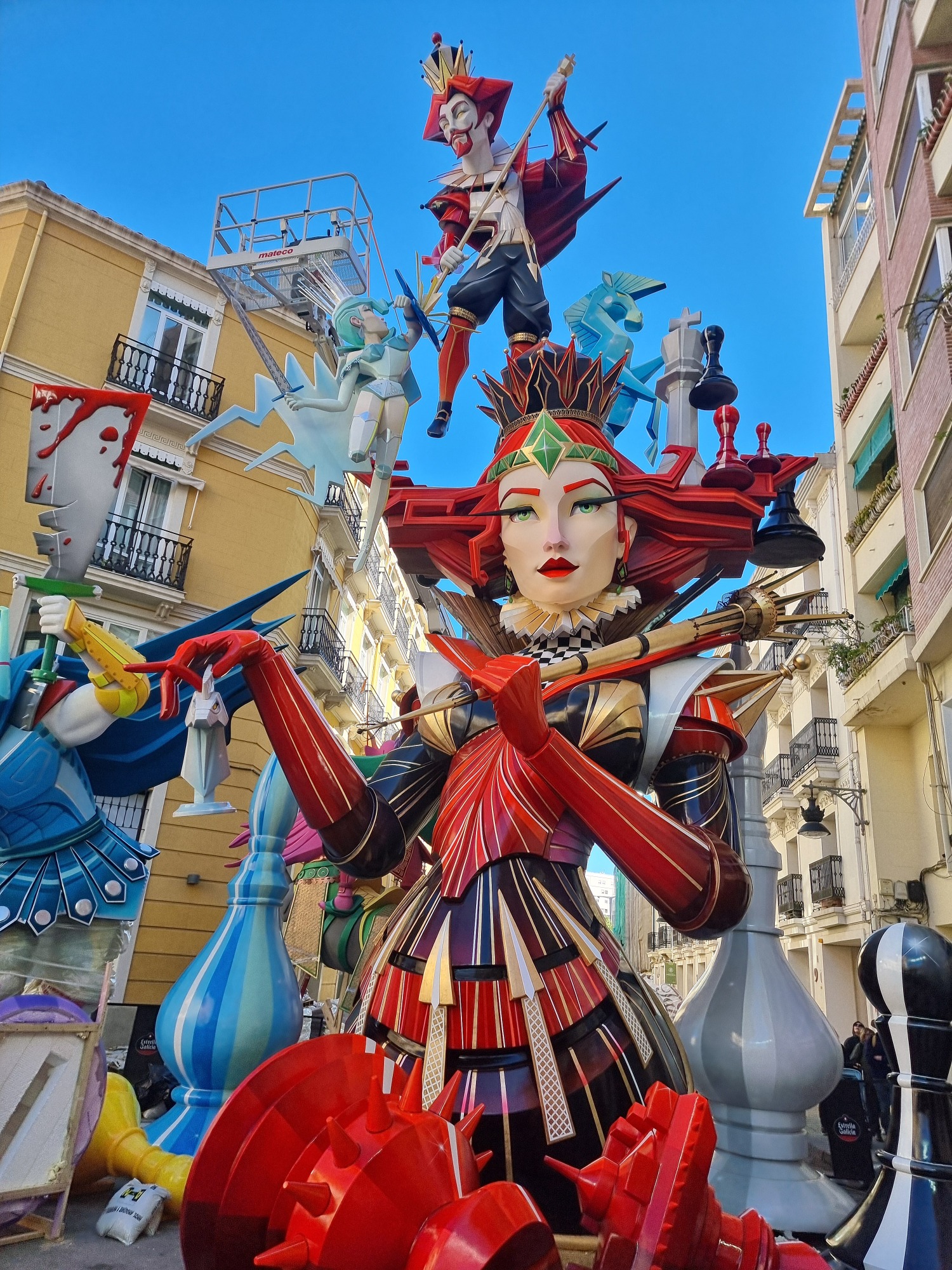
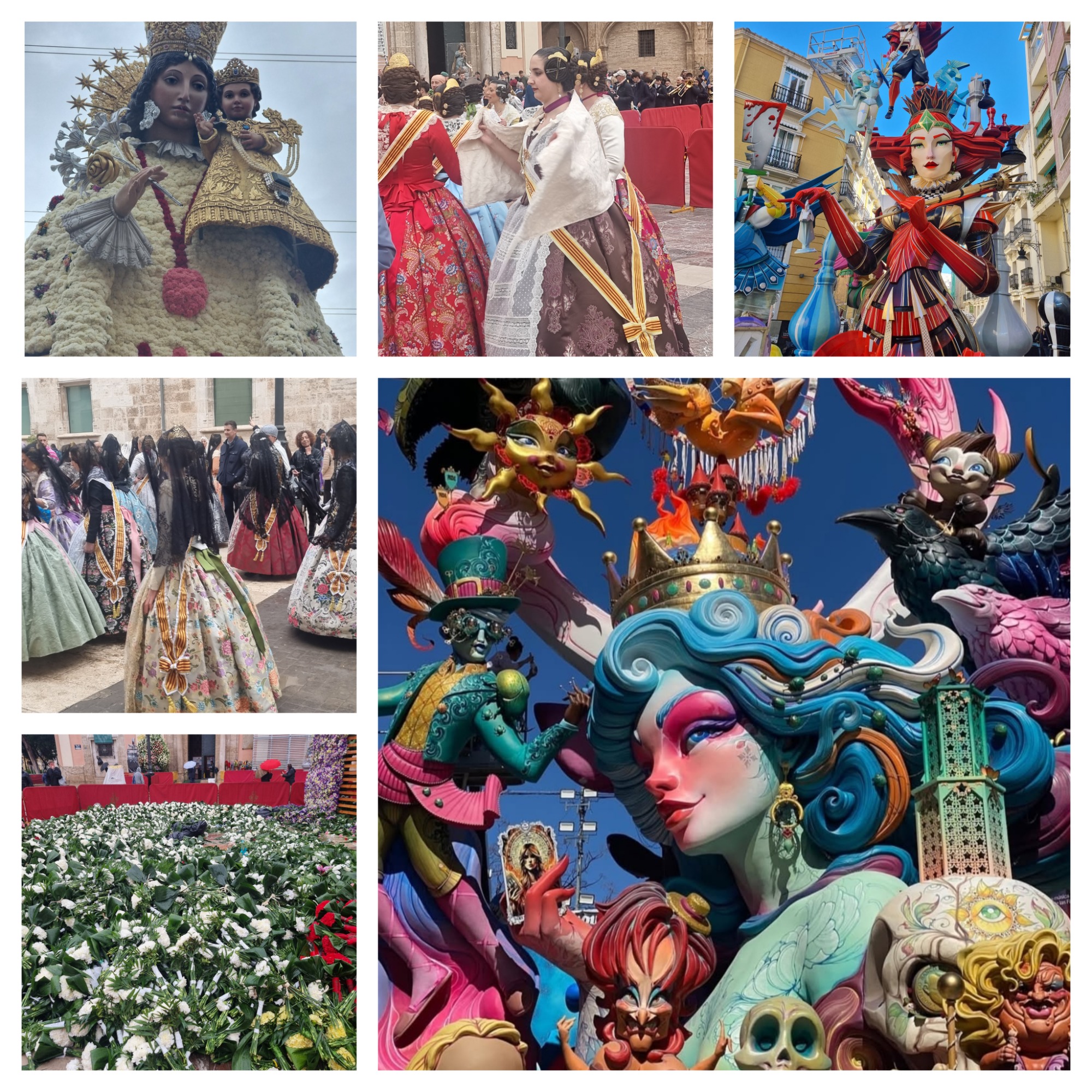
Each falla consists of a basic structure and a number of ninots (dolls). The fallas are assembled on March 15 by the members of the fallas associations. There are two different types of fallas. The Fallas Infantiles and the Fallas. The former, children's fallas, are smaller figures, with heights up to approximately 1.8 meters. The regular fallas are huge, some even up to 30 meters high. In 2015, a total of 385 fallas were erected with a value of 6.8 million euros. The fallas are almost always completed with a number of (sometimes dozens of) ninots. These ninots represent characters. Every year, in the days just before the highlights of the festival, there is an exhibition where a number of pre-selected ninots can be seen. One of these ninots is chosen by the public as the winner and will be spared from the fire during the burning of all the fallas. This ninot goes to the fallas museum where, since 1934, a ninot from each year can be seen. The rest of the ninots from the exhibition are returned to the fallas they belong to and are then burned.
La Mascletà:
From March 1 to March 19, every day at 2:00 PM at the town hall (Plaza Ayuntamiento), the so-called mascletas are set off. This is intense firework that explodes in different rhythms and varying volumes
Last Sunday of February
La Crida - official opening of Las Fallas at Torres de Serranos with fireworks and a light show. The fallera mayor invites everyone to come to Valencia to experience Las Fallas. Almost always on the last Sunday of February, but there are exceptions; La Crida for Las Fallas 2020 was held on March 1.
March 15
La Planta - On the night of March 15 to 16, all fallas must be fully installed and ready. In the early morning of March 16, the artworks are judged by a jury, and prizes will be awarded in various categories.
March 17 and 18
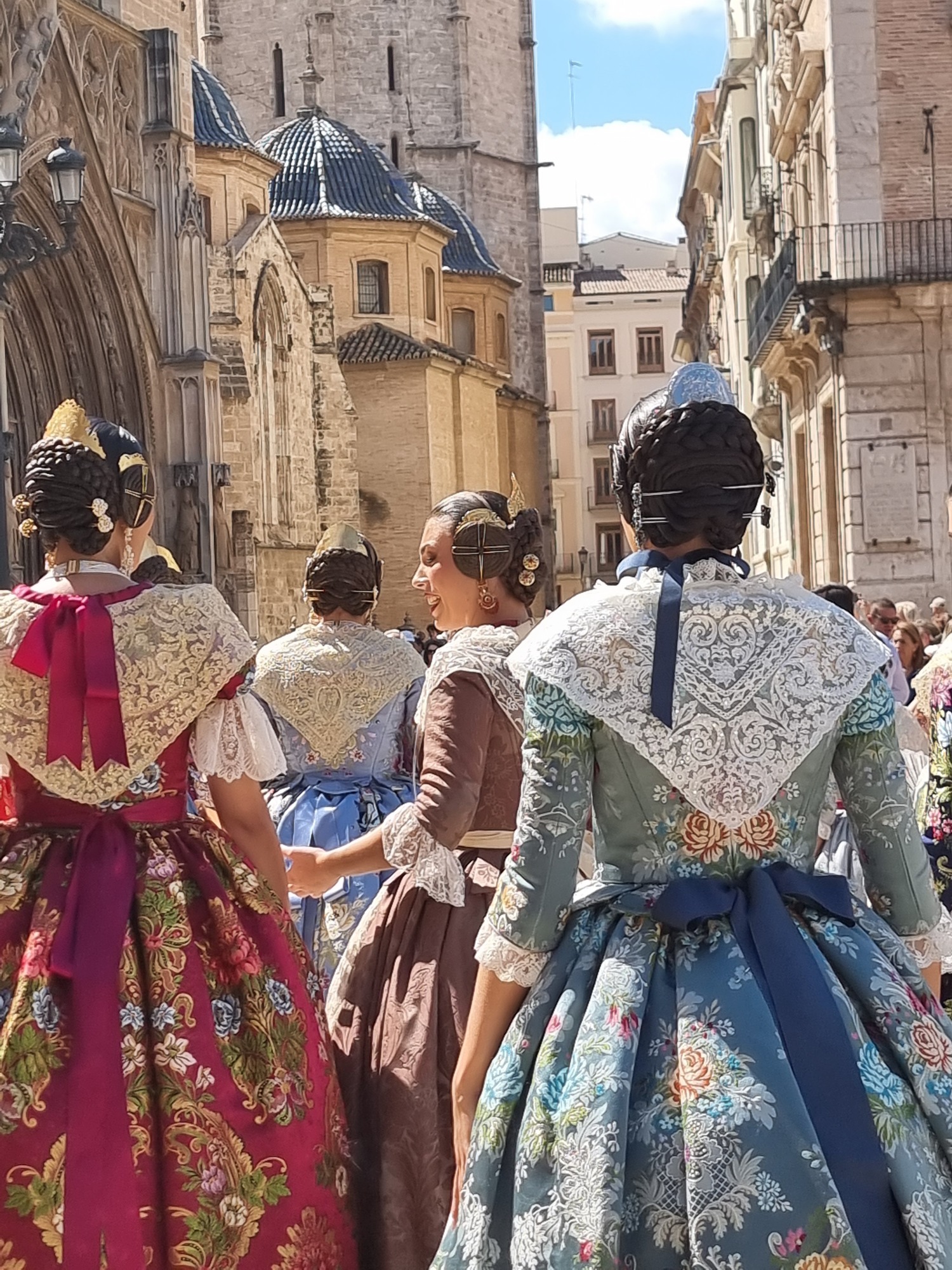
L'Ofrena de flors - flower offerings to the Virgen de los Desamparados (the holy virgin of the helpless). More than 100,000 members of the different falla associations march in traditional costume in a parade through the streets of Valencia. The girls and women each carry a bunch of red, pink, or white carnations. The flowers are offered at the Plaza de la Virgen (Square of the Virgin) to the Virgen de los Desamparados. At the square, a gigantic wooden framework is set up with the head of Mary on it. The bunches of flowers are handed over to a group of women and men who then attach the flowers to the framework.
Within 2 days, Maria's bare wooden body transforms into a beautiful floral cloak. March 18 Nit del Foc - the night of fire. From March 16 to 18, fireworks shows are held, which become a little more spectacular each night. On March 18 during the 'Nit del Foc', the largest fireworks show takes place. March 19 Cabalgata del fuego, a fire parade from Calle Colón to Porta de la Mar. Symbolically, this brings the fire into the city to later set the Fallas ablaze in the evening. March 19 La cremà, the burning of the fallas. From 10:00 PM, the quema's of the Infantile Fallas begin, followed by the regular ones. This goes on until late at night.
The Fallera Mayor
The Fallera Mayor (the queen of the Fallas) is chosen by each falla association for one year. She is the main representative of the association. Among all the falleras mayores, the Fallera Mayor of Valencia is chosen by a jury. She is the ambassador of the Fallas festival for the entire city of Valencia, an extremely prestigious and honorable role. La Fallera Mayor is present at all official activities during Las Fallas. Likewise, a Fallera Mayor Infantil de Valencia is also chosen - the Children's Queen.
There is also a Fallas museum in Valencia.